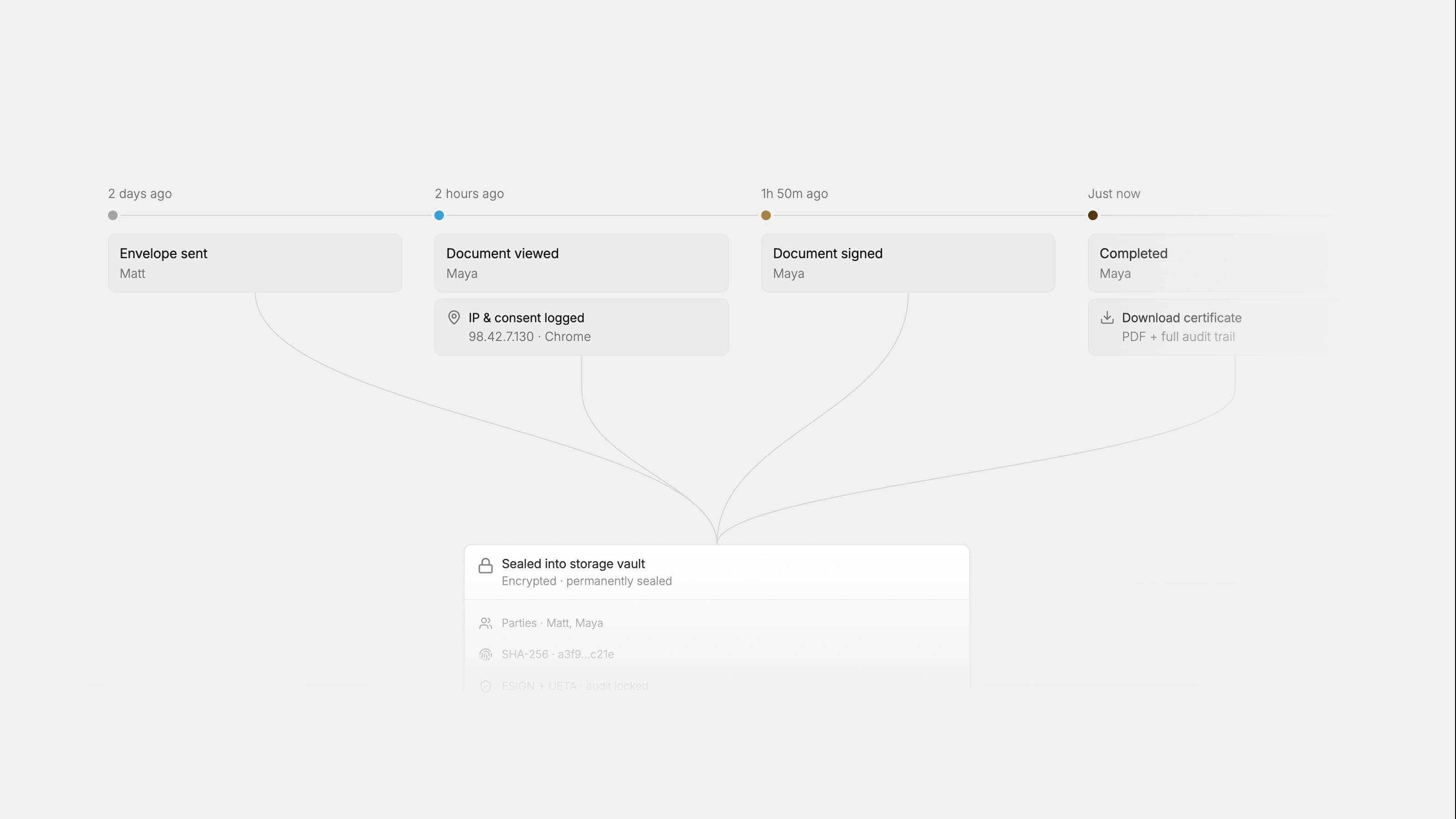
Use a written month-to-month rental agreement, or a signed addendum if you're converting an existing fixed-term lease, not a verbal understanding or a generic download. Build in state-compliant notice periods, legal rent and late-fee language, and clear deposit terms. Then execute it with timestamped proof, certified mail or an e-signature audit trail, so you have evidence if a dispute ever lands in front of a judge.
TL;DR:
- Proper written agreements with clear, state-specific notice periods, late fee caps, and deposit terms are essential for enforceability in disputes.
- Using templates reviewed by legal professionals and including exact clauses helps prevent issues related to vague language or overlooked legal requirements.
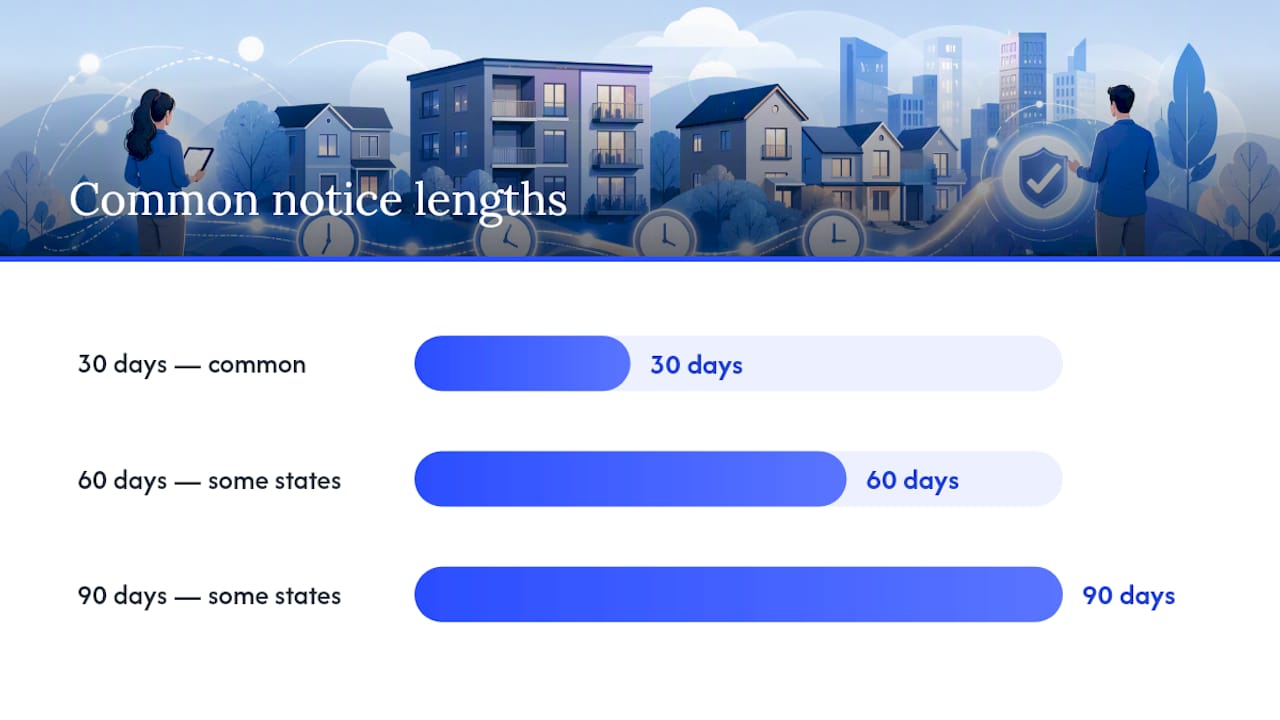
- Most jurisdictions require a 30-day notice to end a month-to-month tenancy, but some states mandate 60 or 90 days, and delivery methods must be carefully followed.
- Digital signing platforms with audit trails provide concrete evidence of notices and lease changes, significantly reducing the risk of disputes.
- Every lease change or rent adjustment must be documented with a signed addendum, not informal communication, to maintain a solid legal record.
Essential clauses checklist for a month-to-month agreement
A month-to-month lease needs the same backbone as a fixed-term lease, plus a few clauses that fixed-term forms don't require. Miss one of these and you're negotiating from a weaker position the day a tenant challenges a notice or a fee.
The lease automatically renews each month until proper written notice ends it, so the document has to spell out exactly what "proper" means for your property. Here's what belongs in the body of the agreement:
- Full legal names of every tenant and occupant, plus the exact property address and unit description
- Rent amount, due date, accepted payment methods, and what happens on a missed payment
- Security deposit amount, the state's lawful cap, and the timeline for returning it after move-out
- Notice periods for termination and for rent increases, stated in days and tied to a specific delivery method
- Landlord entry rights, who handles repairs, utility responsibilities, and parking or storage assignments
- Late fee structure that matches your state's cap, whether that's a flat dollar limit or a percentage of rent, plus any grace period
Late fee rules trip up more landlords than any other clause. Caps in many states run between roughly 4% and 12% of monthly rent, and a fee that exceeds the local limit risks getting the entire clause thrown out, not just reduced to the legal maximum.
How do you draft or adapt a month-to-month template safely?
Most disputes trace back to a template that was never built for the state it got used in. Free downloads tend to carry generic boilerplate that doesn't match local notice or deposit rules, which means the fix isn't finding a "better" template. It's treating any template as a draft, not a finished document.
- Start with a state-aware template or one a real estate attorney has reviewed for your jurisdiction.
- Strip out vague phrases like "reasonable notice" and replace them with exact day counts, dollar figures, and delivery methods.
- Add an amendment clause requiring a signed addendum for any mid-term change, rent, pets, occupants, or otherwise.
- Cross-check required federal and local disclosures (lead paint, bed bug history, local ordinances) and confirm your deposit handling matches state law before you send anything to a tenant.
Drafting the lease correctly means covering rent increase timing, notice delivery, and amendment procedures explicitly, not leaving them implied. If you're converting a tenant from a fixed-term lease to month-to-month, put it in a signed amendment or a new agreement rather than letting the old lease quietly lapse into an undefined arrangement.
Pro Tip: Keep a one-page "state rules" reference sheet next to every template you use. Notice windows and fee caps change often enough that a rule you verified last year may already be out of date.
How much notice does a month-to-month lease actually require?
Thirty days is the most common notice period for ending a month-to-month tenancy, but it's not universal. Some states require 60 or 90 days, and a handful scale the requirement up once a tenant has lived in the unit past a certain length of time. A notice that's technically correct in one state can be invalid two states over.
Delivery method matters just as much as the day count. Several jurisdictions specify how notice has to reach the tenant, personal delivery, certified mail, or posting and mailing, and a notice sent the wrong way can be challenged even when the timing was right.
Where to confirm the actual rule for a specific property:
- The state landlord-tenant statute (usually published by the state's own legislature or attorney general site)
- Municipal or county ordinances, which sometimes layer stricter rules on top of state law
- Local housing authorities, especially in cities with rent stabilization overlays
- A real estate attorney, particularly before rolling out a new template across multiple units
Late fees carry the same jurisdictional risk as notice periods. A fee that's legal in one state can be void in another, so build a compliance calendar that tracks notice windows and fee limits per property rather than relying on memory across a growing portfolio.
Why digital signing and audit trails matter for month-to-month leases
A month-to-month lease lives or dies on proof: proof the notice went out, proof the tenant received it, proof both parties agreed to a change. E-signatures with searchable audit trails generate timestamped execution evidence that holds up in small-claims hearings, something a text message thread or a verbal agreement never can.
For landlords managing more than a handful of units, the workflow matters as much as the signature itself:
- Redlining tools let both sides mark up specific clauses instead of trading conflicting paper copies
- Template libraries with clause guides keep every unit's lease built on the same vetted language
- AI-assisted intake review flags jurisdictional conflicts or outdated boilerplate before a lease goes out for signature
- Centralized audit trails mean every executed lease and every notice delivery lives in one searchable record
There are contract management platforms built around exactly this workflow: contract creation from templates, redlining for negotiation, e-signatures, and an audit trail attached to every document. For a landlord juggling dozens of month-to-month units, having templates, redlining, and signing capabilities in one place cuts down the number of places evidence can get lost.
Negotiating changes without losing your paper trail
Every material change to a month-to-month agreement, a rent adjustment, a new occupant, a pet policy shift, needs its own signed addendum. Treat the addendum with the same seriousness as the original lease, because that's exactly how a judge will treat it.
- Draft one addendum per change, with a specific effective date and dollar amount, never a range or "starting sometime next month."
- Keep the original signed lease plus every amendment together, in order, as one version history.
- Get a signature on the addendum before the new term takes effect, not after the tenant has already started paying the new rate.
- Skip text messages and email confirmations as your only record. They rarely hold up as well as a signed document with a timestamp attached.
Pro Tip: If you're converting a tenant to a new rent amount, write the new figure into the addendum even if it matches what you texted them earlier. Verbal or informal confirmation is the single most common gap landlords discover during a dispute.
Running month-to-month units without losing your margins
Month-to-month flexibility comes with an operational cost if you don't manage it deliberately. A few habits keep the format from eating into your net operating income.
- Build a compliance calendar that tracks notice windows and rent-increase timing per property, not per portfolio.
- Stagger lease start dates so you're not facing five vacancies in the same month; align renewal timing with your market's peak leasing season where possible.
- Keep every tenant communication, especially notices, in writing, and store the signed PDF alongside its audit trail.
- For tenants with a strong payment history, offer a short fixed term instead of open-ended month-to-month. It stabilizes income without losing the flexibility that made month-to-month attractive in the first place.
Vacancy days climb fast when too many leases expire at once, so spreading out your renewal dates is one of the cheapest risk-reduction moves available to a landlord managing more than one unit. Property marketing tools, like 3D rendering for faster re-leasing, can also shorten the vacancy window when a unit does turn over.
Why this checklist exists
Most landlords don't lose disputes over bad intentions. They lose them over vague language, a notice clause that says "reasonable time" instead of a number, or a rent change confirmed by text instead of a signed addendum. I've seen a single timestamped e-signature record settle a dispute in minutes that would have otherwise dragged into a hearing.
Templates get you most of the way there. A quick check from someone who knows your state's rules covers the rest, especially for edge cases your form was never written to handle.
— Alex
How Formable helps you manage month-to-month leases
Between clause checklists, notice timelines, and signed addenda, a month-to-month portfolio generates a lot of paper fast. Formable gives you one place to build that paper correctly and prove it later. Its contract creation tool combines templates with generative AI, so you start each lease from language built for negotiation, not a blank page.
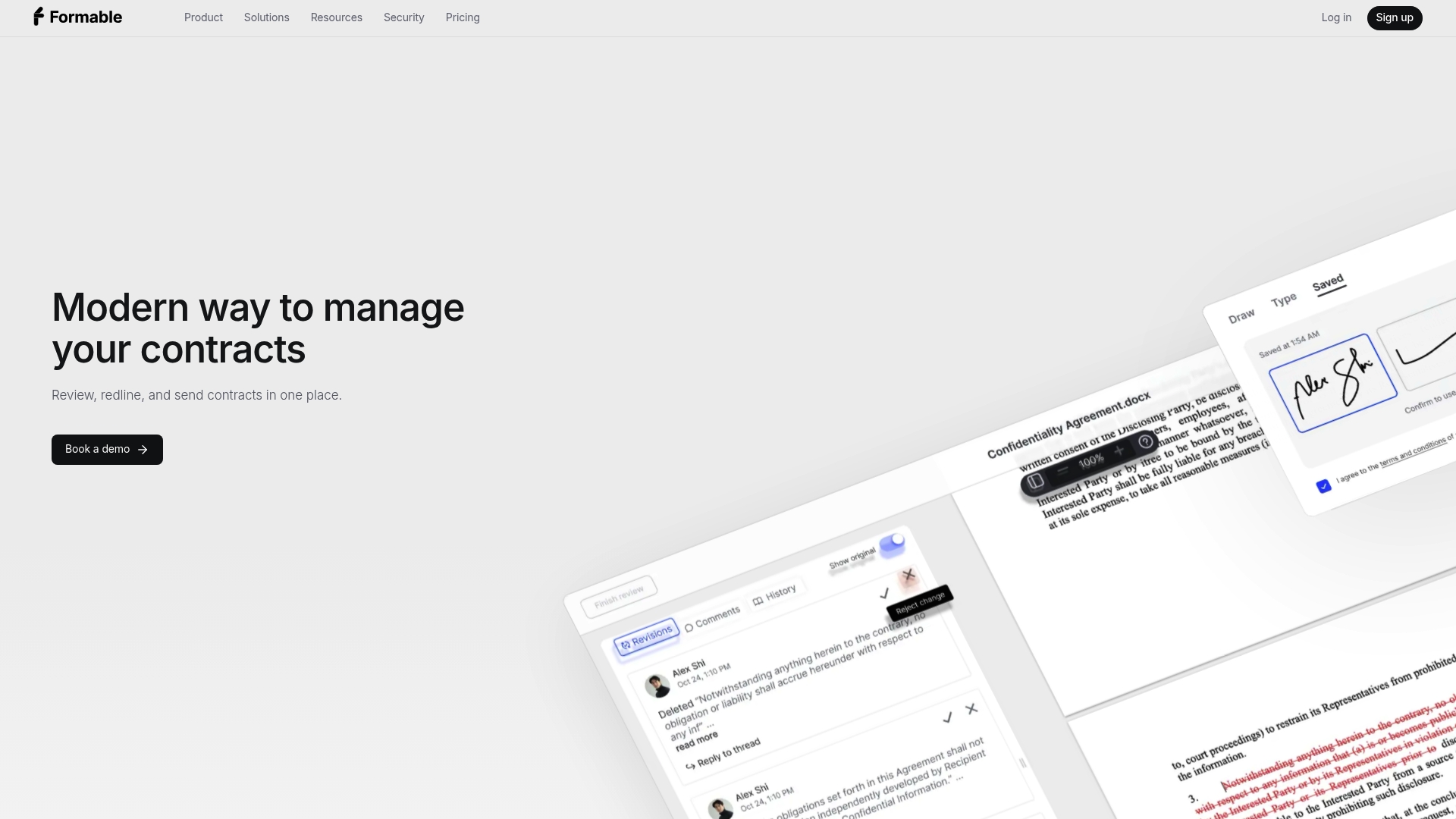
When a tenant wants changes, Formable's redlining tool lets both sides mark up terms and reach agreement before anything goes to signature, which is exactly the workflow the addendum process above depends on. Every executed document carries an audit trail with timestamped evidence, covering notice delivery and lease execution alike. If you're running enough units that manual tracking has become the bottleneck, an embedded e-signing API lets you build that same signing and audit trail directly into your own property management system. Start by building your first month-to-month template at Formabledocs.
Sources
Verify local ordinances before publishing any lease. Start with your state's landlord-tenant statute, a month-to-month notice guide, and a drafting reference for clause language.
This article is general information, not a substitute for advice from a qualified lawyer. Consult a qualified legal professional about your own circumstances before acting on anything here.
- Late fee laws by state
- Month-to-Month Lease: Rules, 30/60/90-Day Notices, Rent Increases & Best Practices
- How to Write a Month-to-Month Lease Agreement
- Lease Agreement Mistakes 2026: 3 Things Property Managers Must Know
FAQ
What document should I use for a month-to-month apartment rental?
Use a written month-to-month rental agreement or a signed addendum to an existing lease, with state-compliant notice, deposit, and late-fee language built in rather than left vague.
How much notice is required to end a month-to-month lease?
Thirty days is the most common window, but some states require 60 or 90 days, and a few extend the requirement once a tenancy passes a certain length.
Are there caps on late fees for month-to-month rentals?
Yes. Many states cap late fees at roughly 4% to 12% of monthly rent or a fixed dollar amount, and a fee above the cap can void the entire clause.
Can I convert a fixed-term lease to month-to-month without a new document?
No. Execute a signed amendment or a new agreement rather than letting the original lease lapse informally, since verbal conversions are hard to enforce.
How do e-signatures help with month-to-month lease disputes?
E-signatures paired with a searchable audit trail create timestamped proof of execution and notice delivery, which platforms like Formable attach automatically to every signed document.